Gabbeh Rugs

gabbeh_211Looking for a luxurious rug rich in color, made from high quality wool and with a range of designs to suit any interior?

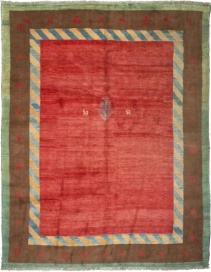
Gabbeh rugs are hand knotted by the nomadic Qashqai tribal weavers from Shiraz in southern Iran. Favoring bright colors for their own homes the early weavers were influenced by their environment making each carpet design unique. Featuring geometric patterns with a sporadic inclusion of an animal or human figure the weavers get the fibers used in their rugs from their own sheep and goats. When translated the word Gabbeh means unclipped referring to the weave that can also include Turkish knots with up to 100 knots per square inch.

Some rugs have color changes in the horizontal bands. This kind of color variation as with the occasional gray fibres in the natural woollen yarn is called abrash and that ensures that even if you buy two or more rugs no two are the same.

Nowadays , there are many rugs that are made in the style of the Gabbeh rugs with vibrant patterns and colors however they are often made in India or countries outside of Iran.  These rugs can still be of very high quality using beautiful wool fiber.

Being woven with high quality wool and loose piles the Gabbeh rugs tend to be very soft and thick and therefore will give you a very lavish feeling underfoot or when touched. A beautiful treasure to enhance any home or office!

Tabriz Rugs

tabriz-goldTraveling through north-western Iran you will come across the second largest city in Iran, the ancient city of Tabriz. Tabriz is home to the renowned weavers with their rug designs and colors that contribute to the diverse range of Tabriz rugs.

Historically a significant trading center down the silk route linking the Orient with Europe, Tabriz has been exposed to the cultural influences from different countries including Europe and it was a major center for art and learning during the fifteenth century.

Renowned as one of the oldest and most respected rug producers in the world, Tabriz has previously produced a centuries old rug taking the prize for the most expensive rug at an auction at the time and exceeding well over its estimated value and placing many Tabriz carpets at the high end of the international rug trade.

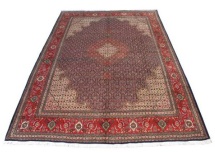
Tabriz rugs stand out for their unique shapes including octagonal, oval and on rare occasions diamond and even star shaped rugs can be found. Woven with a double weft generally on a base of fine cotton although occasionally on pure silk, the rugs feature intricate floral motifs, pictorials in the field and dramatic hunting scenes in rich reds, burgundy, navy and the more subdued tones of beige and pink. Varying from pastels to deep rich shades, the coloring of Tabriz rugs typically feature cream backgrounds and egg blue medallion designs with reds being terra-cotta or rust and the greens appearing pistachio or forest.

If you are looking for a change in the interior design of your home or office the choice of colors in the design of the Tabriz Rugs can complement and transform the mood of a room giving you and your environment a new lease on life.

Whether you are buying a Tabriz Persian rug for purely decorative reasons or for a functional purpose in your environment, a Tabriz rug is an exquisite and timeless masterpiece that will be a prized investment!

The Tale of Tabriz Rugs

tabriz_215A Tabriz rug falls into the standard category of carpets that come from Tabriz, the capital city in the East Azarbaijan Province. As one of the most ancient rug weavers, the capital has been known to create a broad array of carpets. Interestingly enough, Tabriz has some of the finest artistic designs, some of which include medallion, figural, pictorial, and 3-d shapes.

Some of the major producers include Alabaf of Tabriz, Miri Brothers, Galibafi Nassadji Tabriz, and several others. As some of the largest carpet producers in the world, and especially in Iran, many major traditions of artistic decoration are the result of beautifully adorned Tabriz Persian rugs.

The height of popularity for Tabriz rugs was between the 12th-16th centuries, and roughly two hundred masterpieces that belong to the golden period include what appears to be a hybridization of weaving and small paintings, and a high standard of craftsmanship is essential for their completion. Basically, the school of Tabriz is divided into two parts: Ardabil and Tabriz.

There are a myriad of carpets that were actually designed in Tabriz, some were flat weave, and others were pile design. The styles varied in terms of their composition and their attention to detail. From one generation to the next, these rugs were precious heirlooms, and most topics regarding their styles included ornamental patterns with color that consist of cream, blue, navy, or red.

The most common type of Tabriz rug falls under the name “Lachak turanji.” And in the middle, as well as the corners of the carpet, there are “turanji” and Persian triangles. As far as the turanji that resides in the center of the rug, the image symbolizes the moon. The lozenges that add to the overall appearance symbolize fish, which often rise to the surface of the water around midnight; at which point, they begin admiring the reflection of the moon and all of its glory. This image dates back as far as the 9th and 10th centuries, and many topics happen to be drawn by some of the best Oriental poets.

The Haris carpets are certainly worth mentioning, as they represent the connection to the village of Herez, which is just North East of Tabriz. These Haris carpets are quite unique in their appearance, as the commonality of details often is created on the foundation of the “lachak turanj,” which is created by the linear patterns and curves. In time, however, the patterns became serrated and dotted; therefore, an independent pattern was formed as a result. Typically, a carpet of this nature is woven from memory, and often a sketch is not necessary. Moreover, inhabitants of Haris have also produced an exceptional amount of flat-weave rugs, Kilims, and palases.

As far as Tree carpets are concerned, their actual composition is what makes them stand out from other designs. Often these carpets are under the title “Derakhti,” and in Afghanistan, they are known as “Bagghi.” Lastly, in Azerbaijan, the carpets are called “Agaily.” In most cases, at the center of these rugs are a series of trees and bushes, and in some cases, an entire cluster of trees can be found at the center. Every tree has a slightly different appearance, making sure to copy the previous one entirely.

Often the subject of many Tabriz rugs is the image of Omar Khayam residing next to his sweetheart. And often poetry is conveyed as part of the essence of the rugs, and it is the poetry of Khayam that permeates the presence with great force. Often entire verses and pieces from additional poets, namely Saadi, Hafez, Ferdosi, and others  can be found on the rugs.

A Tabriz rug is an artistic and poetic masterpiece that will enrich your home and give you a lifetime of enjoyment.

Qum rugs

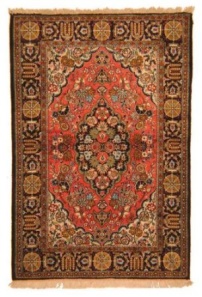
qum_202Qum, situated in the south of Tehran is a holy city and pilgrimage site sacred to Iranians. Home to a weaving industry that does not share a long and ancient history like some of her neighbors, Qum can however boast the production of many outstanding masterpieces created with high quality materials including pure silk and with exceptionally high KPSI (knots per square inch).

Although Qum’s commercial rug weaving industry is relatively new with its roots in the early 20th century the exquisite craftsmanship of the local artisans who make the Qum rugs, superb silk and appealing designs can attract high prices. Patterns and styles vary including everything from hunting scenes and ancient historical patterns to pictorials. Colors can range from bold reds to the softer hues of beige and blue. Shapes and sizes vary considerably too, which can be an advantage for rug enthusiasts who may want a rug to fit in an unusual space. You can buy rectangle, oval, round and square in sizes from beautiful small prayer rugs to the even grander and more impressive palace sized.

A very special finish to the Qum rug is that you can find the weavers name woven into the border of many of the rugs.

Wool Rugs

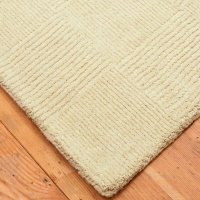
What do you get when you combine sheep, grass, sunlight and water? You get wool, a natural fiber that is both sustainable and biodegradable. In contrast to carpets that are made from synthetic fibers, a wool rug has natural crimp, which means it quickly recovers its pile and shape when weight is put on it. This makes wool carpeting ideal for areas of heavy traffic in your home. Wool rugs come in a wide range of colors and styles and natural wool rugs are an investment in your home that you will enjoy for many years to come.


Wool Rugs – A People and Earth Friendly Choice

In addition to sheep you can substitute other animals like goats, alpaca and even rabbits for wool however wool rugs are always made from durable sheep wool. Human beings have been using wool to make wool carpet and wool area rugs for thousands of years. Sheep fibers contain a wax-like substance called lanolin, which is a natural waterproofing substance. Though most of the lanolin is washed out of the fibers before they’re spun into yarn, enough remains so that wool carpets have a natural resistance to staining. Wool is also naturally flame resistant, and because it is a natural fiber that “breathes,” it helps regulate moisture content in the air around it. Medical experts also consider wool to be generally hypoallergenic; it does not promote the growth of dust mites or bacteria and when they become airborne, individual wool fibers are too coarse to be inhaled.

Much of the world’s wool is produced in Australia and New Zealand. Australian and New Zealand wool rugs are generally regarded as being the finest in the world because manufacturers in those countries for the most part don’t use chemical processes to treat the wool they turn into wool carpeting.

Wool Carpet Construction

Wool carpets are made by sewing many strands of yarn into a canvas-like backing material. This process creates thousands of yarn loops. When these loops remain uncut, the resulting carpet is known as a loop pile carpet. Looped carpets are best for areas of heavy traffic.
When the loops are cut, the carpet is known as a cut pile or texture carpet. A wool shag rug is one with a very high pile. These two basic manufacturing techniques can be combined to create carpets with a wide range of patterned textures.

Contemporary wool rugs can either be made by machine or made by hand. Though hand-tufted rugs are modern wool rugs that are made by artisans, the rug maker does not actually knot the individual strands of wool yarn. Instead the yarn strands are embedded into the backing with the use of a tufting gun. Hand-tufted rugs don’t take very long to make and cost far less than hand-knotted rugs.

The artisans who make the hand-knotted rugs actually ties each individual strand of yarn. The more knots per square inch, the higher the quality of the rug. Depending upon how complex the rug pattern is, a wool area rug can have tens of thousands of knots and take years to complete.

With so many benefits for, your home and the environment a natural wool rug is a beautiful compliment to any environment.


Hemp Rugs and Floor Coverings

Hemp rugs are natural area rugs that that can last for years without losing their shape or color. Hemp rugs are becoming increasingly popular among homeowners who want their decor to be as environmentally friendly as it is beautiful.

What Is Hemp?

Hemp is a variety of Cannabis sativa, one of the most useful plants known to man. Although these days, Cannabis may be best known for its psychotropic properties, the plant is used to make a range of hemp products from clothing to household accessories to cosmetics. Hemp fiber is the longest and strongest of all natural plant fibers. Hemp fiber is so strong, in fact, that for many years its main use was in the rope and other cordage used on sailing vessels.

Hemp contains two types of fibers. The longer bast fibers account for 20 to 30 percent of the plant. They are high in cellulose and low in lignin, and are generally found in the exterior of the stalk. Hemp bast are the fibers that are used to make hemp carpet and hemp rugs.

The inner woody core of the hemp plant consists of shorter fibers called hurds. Traditionally, hurds were considered byproducts of bast extraction and were discarded. Today, however, hurds are increasingly being used in paper and newsprint manufacture.

What Is a Hemp Rug?

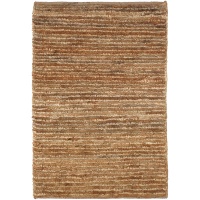
Most contemporary hemp area rugs are flat-weave rugs with a nubby texture that are typically woven by hand on broadlooms. The rough texture of this type of hemp rug will soften over time and the fibers in the rug will actually become stronger with more wear.

Hemp rugs can also be created by more conventional means. A hemp area rug or hemp carpet can be produced on a traditional loom with practically any number of knots per square inch, any pile, and with or without loops. Tibetans have been producing these types of hemp floor coverings for centuries. Hemp can be dyed with both natural and aniline dyes, and it can also be combined with other fibers like wool, seagrass and even synthetics. Most people who buy natural fiber rugs prefer hemp in its undyed state, however.

What Are the Benefits of Buying a Hemp Rug?

Hemp is an exceptionally durable material, and it’s strong enough for high traffic areas, both indoors and out. Unlike other types of plant fibers, hemp will not deteriorate if it becomes wet, so hemp floor coverings are a great choice for the bathroom and kitchen.

Hemp is also an extremely versatile plant in terms of its growing conditions, so resilient that it grows wild in many parts of the world without the need for pesticides, herbicides or chemical fertilizers. In contrast to cotton, which has high water needs, hemp does not need excessive irrigation. It also produces far more tons of fiber per acre than cotton does, because hemp fibers can be harvested up to three times a year. Like other natural plant fibers, hemp is biodegradable.

A hemp area rug is beautiful and strong, and has a resilience that artificial fibers are unable to match. If you’re looking for a floor covering that will add warmth and texture to your home, think hemp.

Wool – A Reliable Yarn

WOOLY SHEEPWool has been a favorite textile since Cro-Magnon Man domesticated the first sheep around 12000 BC. The human love affair with wool continues to the present day. We use the versatile fiber in wool carpet and wool rugs, wool blankets and wool clothing such as wool coats, wool sweaters and wool socks. It’s flame resistant, a marvelous insulator and completely biodegradable.


What Is Wool?

Wool is a textile woven or knitted from the dense fleece of sheep, goats and other mammals with coats that are springy and warm.

Wool has many properties that make it useful. Wool is the most flame resistant of all textiles. Wool has wicking properties that pull moisture away from the fiber core, which keeps you dry on a drizzly day. Wool crimps, which means pieces of wool will stick to one another. Finally, wool is an extremely elastic textile that can stretch as much as 50 percent when it’s wet and as much as 30 percent when it’s dry.

Wool is also a natural fiber. In contrast to synthetic fibers created by chemical processes that rely upon petrochemicals as their raw materials, natural fibers are derived from plant and animal sources. Natural fibers are a renewable resource. Research has shown that individuals who wear natural fibers like wool or use them in their households typically suffer from fewer skin rashes or other allergic reactions linked to synthetic fibers.

Wool fibers are divided into grades on the basis of fiber diameter and crimp. The highest grade sheep wool is called Merino and comes from Merino sheep. Merino wool varies from ultra fine Merino wool whose fibers have a diameter between 13 and 15 microns and carpet wools whose fiber diameters vary between 35 and 45 microns. Lamb’s wool is also highly prized for the fineness and softness of its fibers.

Does Wool Only Come From Sheep?

Although sheep fleece is by far the largest source of wool textiles, wool fiber can be obtained from the fleece of many other animals as well including goats, rabbits, alpacas, llamas, yaks and even camels.

Cashmere wool, a very strong, light, silky fiber, comes from the downy undercoats of Cashmere goats while mohair comes from the hair of the Angora goat. Another type of Angora wool comes from the silky coats of Angora rabbits. Alpaca wool is wool harvested from a Peruvian cousin of the camel called an alpaca or a vicuna.

What Are Some of the Popular Products Made from Wool?

Commonly found wool products include:

Wool carpets: Pure wool carpets are a terrific choice for people who want to create a healthy and environmentally friendly atmosphere in their homes without sacrificing style or comfort. Wool fibers can be dyed in a variety of different shades. Wool rugs and wool area rugs are also great for areas of high foot traffic because they’re naturally spring and resilient. The natural lanolin coating on wool fibers also makes them naturally resistant to dirt and spills.

Wool upholstery: Wool fabric is a popular choice for chair covers and other types of furniture upholstery.

Wool mattresses and wool blankets: Wool has been used for centuries in many parts of Europe as a traditional mattress stuffing material, and is becoming an increasingly popular alternative today to synthetic batting. True wool allergies are very rare although some people are sensitive to the chemical processing agents that are used to prepare wool products for the market. When wool batting compresses, it can be removed from a mattress and refluffed. Wool blankets provide warmth throughout the cold months.

Wool clothing: Wool coats, wool sweaters and wool socks are terrific cold weather gear. Wool’s warmth, flexibility and strength allows this textile to resist tears and provide great warmth. Smart Wool is a brand in high demand among aficionados of extreme sports like mountaineering, skiing and snow boarding. The crimping properties of wool fibers create air pockets that act as a natural insulation layer. Because wool doesn’t collect moisture, it rarely becomes infested with molds, bacteria or dust mites. It’s a very elastic material, which means it provides some support for people affected by joint disorders such as arthritis.

What Is the Wool Production Process?

Fleece is typically sheared from sheep on a yearly basis. The object is to shear the fleece with as few strokes as possible to preserve the integrity of the fiber.

After shearing, the fleece is washed to remove organic debris and other impurities such as the oily residue known as lanolin. Lanolin is an important secondary market for sheep owners since it’s used in many personal care products like cosmetics.

After washing, the fibers are graded and then run through toothed rollers in a process known as carding. At this point wool can either be twisted into the yarn used in knitting or spun into finer yarns of various thicknesses and gauges. At this point, wool yarn can either be knitted or woven into a fabric.

What Countries Produce Wool?

According to the United Nations’ Food and Agriculture Organization, China is the country that produces the most wool on an annual basis. In 2009, China produced close to 387,000 metric tons of wool. However, China uses much of the wool it produces. The world’s two largest exporters of raw wool are Australia, which produced 382,000 metric tons, and New Zealand, which produced 165,800 metric tons. Other top wool producers include the UK and Iran (67,000 metric tons each), Morocco, Sudan and Argentina (roughly 55,000 metric tons each.)

Wool is making a comeback in a big way among people who appreciate textiles thanks to its affordability, sustainability and hypoallergenic properties. The fabric breathes making it a natural temperature regulator, and it’s fire retardant at a time when tighter restrictions are being placed on materials that can be used in the hospitality industry and interior decor. Wool has been around for a long time and it’s a fully contemporary fabric.

Wool Wise

hacienda-pepper_200Soft, warm, luxurious, fine, superfine, insulating and warm are just some of the adjectives used to describe one of nature’s most popular natural fibers, wool.

Although derived principally from sheep, a member of the Caprinae animal family the hair of other mammals such as rabbits, llamas and goats can also be referred to as wool.

Utilized for centuries for a multitude of applications wool is quite different to hair or fur as it has a distinctive texture i.e. it is crimped and grows in staples or clusters and has an elastic quality. Wool is also a popular yarn because it is fire resistant and can absorb up to 30% of its weight in moisture and the medical profession consider it to be hypoallergenic.

China is the market leader of wool production closely followed by Australia and New Zealand. The coarser fibers from the wool of breeds such as Drysdale, Lincoln, Tukidale and Romney are generally used to make carpets.

Global wool production exceeds 2.1 million tonnes per annum with 41% of world wool production being classed as coarse wools, 37% as fine wools and 22% as medium wools. Approximately 60% of wool harvest is utilized for clothing manufacture including pullovers, coats, socks, gloves, school uniforms and even cloth diapers and approximately 33% is used for the manufacture of rugs, carpets and upholstery.

If you have ever been privileged enough to wear the beautiful yarns of angora and cashmere you may be a convert from even the finest of merino wools. Cashmere clothing items such as cardigans, shawls, scarves, hats and gloves can come at a very high price, however once worn the value of this beautiful yarn far outweighs the cost. Lamb’s wool is generally softer than the wool of adult sheep and a favorite with baby apparel.

Wool is also a very appealing choice for making rugs and carpets from the Bedouin tribes in the Middle East to the Tibetans of the Himalayan regions and beyond to the far corners of the planet. Carpets and rugs made from a variety of wool fibers are available in a myriad of designs, sizes and colors from hand made with natural dyes to those commercially produced in factories.

Whether you are looking for apparel in beautiful and lasting wool or to decorate your interior with a carpet or rug, wool will always be a premium choice!

Hemp – A growing Phenomenon

hemp-desert-sand_204Hemp was one of the earliest of all cultivated plants, prized by the ancients for its use as both a food source and a textile fiber. Additional benefits of hemp, in fact, are being discovered to this very day.

What is Hemp?

Hemp is a species of the Cannabis sativa plant that has been specifically bred to produce long coarse fibers. For thousands of years, hemp has been used to manufacture hemp rope, hemp paper, hemp shoes and hemp clothing. Hemp seed also has a high nutritional value, and in addition to being used as food, the oil pressed from hemp seed has been used as fuel and in biodegradable plastics.

The hemp plant is closely related to the cannabis plant that is harvested to produce marijuana; however, only one percent of the hemp plant is tetrahydrocannabinol (THC), the chemical that produces marijuana’s psychotropic effects. In contrast, marijuana typically contains 1 to 15 percent THC by weight. Nonetheless, the confusion between the two plants has restricted the use of industrial hemp in some parts of the world, notably the United States where the federal government prohibits its cultivation. Raw hemp fiber and seed, and hemp products can be imported into the U.S., however.

Is Hemp Eco-Friendly?

Hemp is an extremely environmentally friendly plant that has multiple uses both as a food and textile source. Products made from hemp fibers have a natural resistance to molds and mildew, are extremely durable and naturally flame resistant. Best of all, hemp products are completely biodegradable.

Hemp plants grow well without the use of pesticides, and they’re known to leach impurities from soil. Following the 1986 disaster at the nuclear power plant in Chernobyl, Ukraine, industrial hemp was planted in the surrounding area to help decontaminate the radioactive soil. Hemp grows quickly, and is a natural weed blocker. It requires far less water that other vegetable fiber plants like cotton, and it has a much higher crop yield.

Where Does Hemp Grow?

Hemp grows in a range of soil types, and prefers a mild climate with a rainfall of at least 30 inches per year. Botanists believe the cannabis plant is indigenous to Central and South Asia, but it now grows wild in many parts of the world. By the end of the Neolithic era, the plant could be found in all parts of Europe. The Spanish brought hemp to South America toward the end of the 16th century.

The world’s largest commercial hemp producer is China, which grows 79 percent of the hemp used worldwide for industrial purposes. Other leading hemp producers are France, Chile and Russia.

The History of Hemp

Archeologists have found evidence of hemp use in China that dates back to the 5th century BC. Hemp was initially used in the production of ropes, paper products, and the sails of ships. In fact, the word “canvas” is derived from a Dutch word for cannabis. The ropes and sails on Columbus’s ships, the Niña, the Pinta and the Santa Maria, were all made from hemp. The Dutch artist Rembrandt painted primarily on hemp canvases.

Until the invention of the cotton gin in the 1820s, hemp was the most popular source of vegetable fibers used in textiles, bedding and clothing. George Washington and Thomas Jefferson both grew hemp on their plantations. Hemp fibers were also the source of most of the world’s paper until the late 19th century.

In 1937, the Prohibitive Marihuana Tax Law effectively brought the commercial cultivation of hemp to an end in the U.S. Nevertheless, during World War II, the U.S. manufactured canvas, rope and soldiers’ uniforms from hemp. The U.S. government even produced a propaganda film entitled “Hemp For Victory,” advising farmers to grow as much hemp as possible.

What Textiles and Products Are Made From Hemp?

A variety of products are made from hemp including:

• Hemp fabric: Pure hemp yarn when its woven into textiles has a texture similar to linen. Hemp dresses, hemp slacks, hemp shirts, hemp bedding, hemp bags and hemp carpet are becoming increasingly popular choices among eco-conscious consumers.

• Hemp rugs: A hemp rug is strong and also soft, thick and also pliant, and will hold up under heavy use making a hemp area rug the perfect choice for any high traffic area of your home.

• Hemp paper: At present, hemp pulp has relatively high processing costs when compared to wood pulp for use in paper production. However, scientists are looking into ways to streamline hemp paper production.

• Hemp plastics and building materials: Since 2002, many top automobile manufacturers including Audi, BMW, Ford, GM, Chrysler and Honda, have been blending hemp fiber into fiberglass to produce molded automotive parts such as door panels. Hemp has also been combined with lime to create eco-friendly, breathable insulation materials for construction projects.

What Hemp Products Are Edible?

The list of hemp seed benefits is long. Hemp seeds are highly nutritious, and have a flavor that many consumers liken to pine nuts. Hemp seeds contain all nine essential amino acids as well as Vitamin E, several B vitamins, proteins, iron, calcium, zinc, magnesium, copper and dietary fiber. When hemp seeds are soaked in water and ground up, they yield a beverage called hemp milk, which is a great source of protein for those on vegan diets.

Approximately 30 percent of the hemp seed is made up of oil. Hemp oil benefits are numerous since the oil is a source of the Omega 6 and Omega 3 that have been proven to boost immune system functions. Additionally, hemp seed oil is used as an ingredient in many cosmetics and skin care products such as hemp lotion.

Hemp is an extremely versatile plant, and the fibers spun from the hemp plant have natural anti-microbial, flame retardant and stain resistant properties making it a natural choice for rugs and carpet in your home.


Seagrass Rugs

Seagrass is a natural fiber that’s becoming increasingly popular in home and office decor. It’s an attractive, tough, durable and stain resistant fiber that’s used in rugs, baskets and even in the type of lightweight furnishings that have been traditionally fashioned out of rattan or bamboo. A seagrass area rug is a great way to define a specific space in your home or business.

Seagrass Rugs, Friendly for You and the Environment

The commercial salt marsh grass that’s made into seagrass rugs is grown predominantly in the paddy fields of China, Southeast Asia and India. Until recently, these grasses were thought to be an unusable fiber. The growing demand for natural fibers, however, has created a market for custom seagrass rugs and other seagrass household items, which has greatly diversified income sources for inhabitants of these areas, who were previously dependent upon fishing alone.

During the growing season, seagrass paddy fields are periodically flooded with brackish water, which gave rise to the name “seagrass.” When these grasses mature, the fields are drained, and the plants are cut, bundled and twisted (“plied”) by hand. The resulting fibers are spun into strands that are tough, durable and non-porous.

Seagrass is self-propagating and grows very quickly, which makes it a fully sustainable crop. Another eco-friendly feature of seagrass is that it is biodegradable.

Natural Seagrass Rugs

Seagrass is one of the most stain resistant of all fibers. Because seagrass fibers are not porous, a seagrass rug cannot be dyed. However, the fibers’ natural color is a range of attractive yellows, sage greens and browns that blend harmoniously into most decors. If you are sensitive to the chemicals found in industrial dyes, you will appreciate that generally no toxins have been added to natural grass rugs that can trigger allergies.

A sea grass rug will last for a decade if it’s well cared for however a seagrass area rug will not last as long in an area with high humidity. That’s because seagrass is easily damaged by water. If you spill water on grass rugs, you must mop it up immediately, or you risk the growth of mildew, other molds and bacteria. For this reason we recommend that you do not use seagrass area rugs in kitchens, bathrooms and other areas of your home where they will be exposed to excess moisture and humidity on a regular basis. We suggest you purchase seagrass rugs for interior use only and due to the smooth finish we recommend that you do not have seagrass rugs on staircases.

Seagrass can be custom crafted into any type of flooring that fits your needs, from a round seagrass rug to a rectilinear floor rug fitted to the exact dimensions of a room. A grass area rug or larger rug is typically fitted with a latex backing or bound edges using wool to minimize the rug from slipping.

The intricate weaves used in seagrass rugs combined with their natural palette of subtle shadings give them a textural depth that you will not find duplicated in a synthetic carpet. Their natural stain resistance also makes them an eminently practical choice for your home. A seagrass rug is a beautiful addition to any residence.